
How Much to Charge Brands: Rate Card Guide
Not sure what to charge for a sponsored post? Here's how Nigerian creators can price brand deals, build a rate card, and stop undercharging in the DMs.
Koseisa Team · 22 Oct 2026 · 5 min read
A brand slides into your DMs: "Hi, we love your content. What's your rate?" And suddenly you're doing maths in your head, scared that if you say too much they'll ghost you, and if you say too little you'll be working for free.
Most creators in Nigeria price brand deals by feel. That's why two creators with the same audience can charge ₦20,000 and ₦200,000 for the same post. This guide gives you a simple way to work out your price, explain it to brands, and put it all in a rate card so you're not starting from zero every time.
What a rate card is (and why you need one)
A rate card is a simple list of what you offer brands and what each one costs. For example: one Instagram Reel, one TikTok video, a set of three stories, or a YouTube mention.
A good rate card does three things for you:
- It anchors the conversation. When your prices are written down, brands negotiate from your number, not theirs.
- It saves time. You stop answering "how much?" from scratch in every DM.
- It makes you look professional. Brands and agencies are used to working with creators who know their numbers.
Step 1: Know your real numbers
Brands are paying for attention, so start with the numbers that show it. Open your insights and write down, for each platform:
- Average views per post over your last 10–15 posts (not your one viral video)
- Engagement rate: likes + comments + shares + saves, divided by views or followers
- Followers, and where they are (how much of your audience is in Nigeria, which cities)
- Who they are: age range and gender split
Average views matter more than follower count. A creator with 8,000 followers who reliably gets 15,000 views is often worth more to a brand than one with 50,000 followers and 2,000 views.
Step 2: Use a simple pricing formula
A common way to price a sponsored post is cost per thousand views (CPM):
Price = (average views ÷ 1,000) × your rate per 1,000 views
Here's a worked example. Say your Reels average 12,000 views, and you decide your rate is ₦4,000 per 1,000 views:
- 12,000 ÷ 1,000 = 12
- 12 × ₦4,000 = ₦48,000 per Reel
Your rate per 1,000 views depends on your niche and how engaged your audience is. Creators in niches where each customer is worth a lot to the brand (finance, tech, property, beauty, parenting) can usually charge more than general entertainment pages, because one sale is worth more to the brand. If your engagement rate is well above average for your size, price at the top of your range.
Treat the formula as a starting point, not a law. Then adjust for the things below.
Step 3: Adjust for the work involved
Two posts with the same views can involve very different amounts of work. Add to your base price for:
- Production. Scripting, shooting on location, props, editing, hiring a model or photographer.
- Usage rights. If the brand wants to run your video as an ad, or use it on their own pages, that's worth more. Charge extra for each month they can use it.
- Exclusivity. If you can't work with their competitors for 30 or 90 days, you're giving up income, so charge for it.
- Revisions. Include one round of changes in your price. Further rounds cost extra.
- Rush jobs. Need it in 48 hours? Add a fee.
Step 4: Build packages, not single prices
Brands love bundles, and bundles help you earn more per deal. Instead of one price per post, offer packages like:
- Starter: 1 TikTok or Reel + 3 stories
- Growth: 2 Reels + 1 TikTok + 6 stories over two weeks
- Launch: 3 videos across platforms + a link in bio for 7 days + usage rights for 30 days
Give each package a slightly better price than buying the pieces separately, so the bigger package feels like the smart choice.
Step 5: Get paid upfront, and protect yourself
The most common creator horror story isn't a low price, it's not getting paid at all. Before you post anything:
- Agree the brief in writing: what you'll post, where, when, and how many revisions
- Agree the payment terms: ideally paid upfront, or at least half upfront
- Never post first and invoice later with a brand you don't know
How Koseisa handles brand deals for you
On Koseisa, you can put your rate card on your creator page, with Instagram posts, TikToks, YouTube videos, podcast mentions and more, each with its own price. Your audience stats sit right next to your packages, so brands can see the value before they ask.
When a brand wants to work with you, they send a brief from your page. You reply with your price, delivery time and number of revisions. The brand pays upfront and Koseisa holds the money while you create, then pays you once the work is delivered. Every deal you complete adds a verified brand to your page, which helps you win the next one.
Brands can also find you on Find creators, where they search by niche, platform, location and budget. Here's how to rank higher when brands search.
Quick checklist
- Work out your average views, engagement rate and audience for each platform
- Pick a price per 1,000 views for your niche, and calculate a base price per post
- Add for production, usage rights, exclusivity, revisions and rush jobs
- Put together 2–3 packages
- Always get the brief in writing and get paid before you post
Ready to stop pricing in the DMs? Build your rate card on Koseisa. It's free to start.
Found this useful? Send it to a creator friend.
Get booked by brands
Put your rate card on Koseisa: brands find you, send a brief and pay upfront, and the money is held until you deliver.
Keep reading
All posts
Brand deals
Brand Deals for Micro-Influencers in Nigeria
You don't need a million followers to get paid by brands. How Nigerian micro-influencers find brands, pitch them, set their packages, and make sure they actually get paid.
28 Oct 2026 · 3 min read
Brand deals
Rank Higher When Brands Search on Koseisa
Brands search Koseisa's Find creators page to book creators for paid deals. Here's exactly how the list is ordered, and what you can do to move up.
22 Oct 2026 · 3 min read
Koseisa news
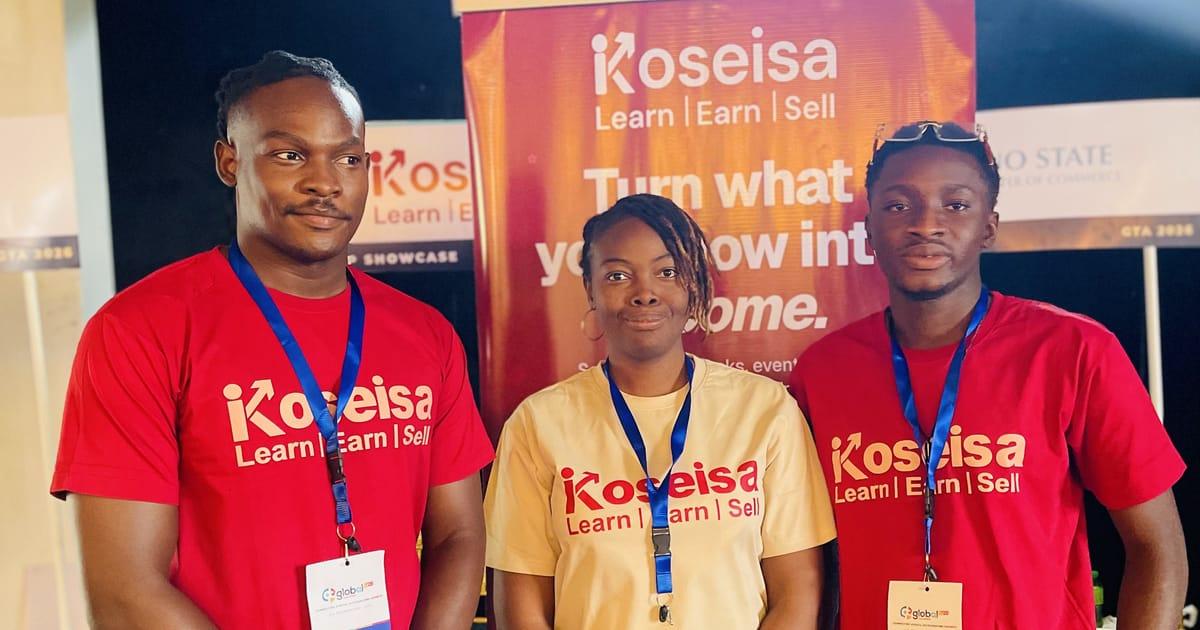
Koseisa at Global Tech Africa 2026: Our Startup Showcase in Kano
Koseisa was a showcase startup at Global Tech Africa 2026 in Kano: new partners, expert advice, a meeting with NITDA's Director-General and 31 new users.
10 Nov 2026 · 4 min read